Garden maintenance guide Goldhawk Road Shepherds Bush
If you live near Goldhawk Road in Shepherds Bush, you already know the garden pressure is a little different here. Space can be tight, shade can be awkward, and one week of decent weather can turn a tidy outdoor area into a runaway patch of weeds. This Garden maintenance guide Goldhawk Road Shepherds Bush is here to make the whole thing feel manageable, whether you are looking after a compact courtyard, a family garden, or a shared outdoor space that needs regular attention. Truth be told, most gardens don't fail all at once. They drift. A bit of moss here, a hedge that waits too long for a trim, a border that starts looking tired by mid-summer. That's why a practical routine matters.
This guide walks you through what garden maintenance involves, how it works in a London setting, what to do season by season, and how to avoid the usual headaches. You'll also find a checklist, a comparison table, and a few local-minded tips that make sense for Shepherds Bush gardens specifically. And yes, we'll keep it plain English.
Table of Contents
- Why Garden maintenance guide Goldhawk Road Shepherds Bush Matters
- How Garden maintenance guide Goldhawk Road Shepherds Bush Works
- Key Benefits and Practical Advantages
- Who This Is For and When It Makes Sense
- Step-by-Step Guidance
- Expert Tips for Better Results
- Common Mistakes to Avoid
- Tools, Resources and Recommendations
- Law, Compliance, Standards, or Best Practice
- Options, Methods, or Comparison Table
- Case Study or Real-World Example
- Practical Checklist
- Conclusion
- Frequently Asked Questions
Why Garden maintenance guide Goldhawk Road Shepherds Bush Matters
Garden maintenance is not just about keeping things neat for the sake of appearances. In a busy West London area like Shepherds Bush, it helps protect plant health, improves safety, and stops minor issues becoming expensive jobs later on. A garden left unchecked for a few weeks can quickly develop compacted soil, overgrown shrubs, blocked drains, or pest-friendly corners where damp lingers. If your garden backs onto a property boundary or shared access route, poor upkeep can also create friction with neighbours. Nobody enjoys that conversation at the fence line.
For homes and rental properties around Goldhawk Road, maintenance also plays a part in kerb appeal and day-to-day liveability. A tidy, well-kept garden makes a small outdoor area feel bigger, brighter, and more usable. That matters especially where space is precious and every square metre has to earn its keep. It is not about perfection. It is about control, rhythm, and keeping nature from getting the upper hand.
There is also a seasonal angle. London gardens often deal with mixed shade, urban dust, traffic exposure, and fast shifts between wet spells and dry heat. A maintenance plan that works in a quiet suburban patch may not work quite so well here. The garden needs a bit of local judgement. Not more fuss, just better timing.
Expert takeaway: In Shepherds Bush, good garden maintenance is usually less about dramatic jobs and more about small, regular interventions that keep growth, moisture, and structure in balance.
How Garden maintenance guide Goldhawk Road Shepherds Bush Works
At its simplest, garden maintenance is the ongoing care of outdoor spaces so they stay healthy, tidy, and safe. That means tasks like mowing, pruning, weeding, feeding, watering, sweeping, edging, clearing leaves, checking plant health, and looking after patios or paths. Depending on the garden, it can also include hedge cutting, seasonal planting, soil improvement, and small repairs to beds or borders.
The best way to think about it is as a cycle rather than a one-off clean-up. Gardens move through the year, and maintenance has to move with them. Spring often means growth, feeding, reshaping, and preparation. Summer needs watering discipline, deadheading, and pest watchfulness. Autumn is about leaf clearance, composting, and getting the garden ready for wetter weather. Winter is quieter, but not idle. Structural pruning, tool care, and planning belong there too.
In a local setting like Goldhawk Road, a good routine usually starts with a simple assessment:
- What is growing strongly, and what is struggling?
- Where does water sit after rain?
- Which areas get full sun, shade, or mixed light?
- Are weeds recurring in the same patch?
- Do any plants need support, thinning, or replacing?
That first look tells you what to prioritise. And honestly, it saves time. There's no point trimming every edge beautifully if the real issue is poor drainage under the back fence.
For readers comparing help options, it may also be useful to look at broader local services such as garden maintenance services or area-focused support like gardeners in Shepherds Bush. If you are planning a one-off refresh rather than ongoing care, garden clearance can be the quicker reset before routine upkeep begins.
Key Benefits and Practical Advantages
Done properly, maintenance pays you back in small but noticeable ways. The garden feels easier to use. Plants recover better after heat, wind, or heavy rain. You spend less time reacting to problems and more time actually enjoying the space. That may sound a bit simple, but it is the whole game.
- Healthier plants: Regular pruning, feeding, and watering support stronger roots and better flowering.
- Less weed pressure: Small weeds are much easier to remove before they set seed.
- Improved safety: Clear paths, trimmed growth, and tidy edges reduce slips, trips, and blocked access.
- Better appearance: A maintained garden looks cared for even when it is not in full bloom.
- Lower long-term cost: Routine care usually costs less than restoring an overgrown space.
- More usable outdoor space: Especially useful in compact London gardens where every corner matters.
There is also a quiet benefit people sometimes forget: maintenance makes the garden easier to understand. Once you know which corner gets morning shade, which bed dries out first, and where ivy keeps reappearing, the whole space becomes less mysterious. That knowledge is worth a lot.
Who This Is For and When It Makes Sense
This guide is for anyone responsible for a garden in or near Goldhawk Road, Shepherds Bush, whether you own the property, rent it with permission to care for the outside area, or manage a shared space for tenants or residents. It is also useful for landlords, letting agents, small businesses with frontage planting, and homeowners who simply want a cleaner, calmer outdoor space without guessing their way through every season.
You may need structured maintenance if:
- the garden has become patchy, weedy, or overgrown;
- you keep noticing the same issues after rain or windy weather;
- you do not have time for weekly upkeep;
- the garden includes hedges, trees, or mature shrubs that need more than a quick tidy;
- you want to prepare the space for sale, letting, or a summer gathering;
- you simply want the job done properly instead of "I'll get to it next weekend" becoming the permanent plan.
To be fair, plenty of people do a decent job with a mower and secateurs. But once the work becomes irregular, the garden starts asking for more than a casual tidy. That is usually the point where a proper plan helps most.
If you are also thinking about improving layout or planting design while you maintain the space, garden design support can help you avoid recurring maintenance problems by choosing plants and features that suit the site better from the start.
Step-by-Step Guidance
The easiest way to manage garden upkeep is to break it into repeatable steps. No drama, no giant Sunday overhaul every month. Just a rhythm that keeps things under control.
1. Start with a proper walkthrough
Walk the garden slowly and look at it from different angles. Morning light shows different problems than late afternoon light. Check borders, steps, drains, the base of fences, and hidden corners. This is where you spot the obvious stuff: dead stems, weed clusters, broken supports, and soggy patches. It sounds basic, but it works.
2. Clear the surface mess first
Remove loose leaves, twigs, litter, and debris before touching anything else. A clean surface makes the real work clearer. You can tell the difference between a minor issue and a serious one much faster once the clutter is gone.
3. Deal with weeds before they seed
Weeds are far easier to manage when they are young. Pull them from damp soil if possible, removing the root rather than snapping the top off and hoping for the best. For paved areas, brushing out joints and treating re-growth early saves future trouble.
4. Prune with a reason
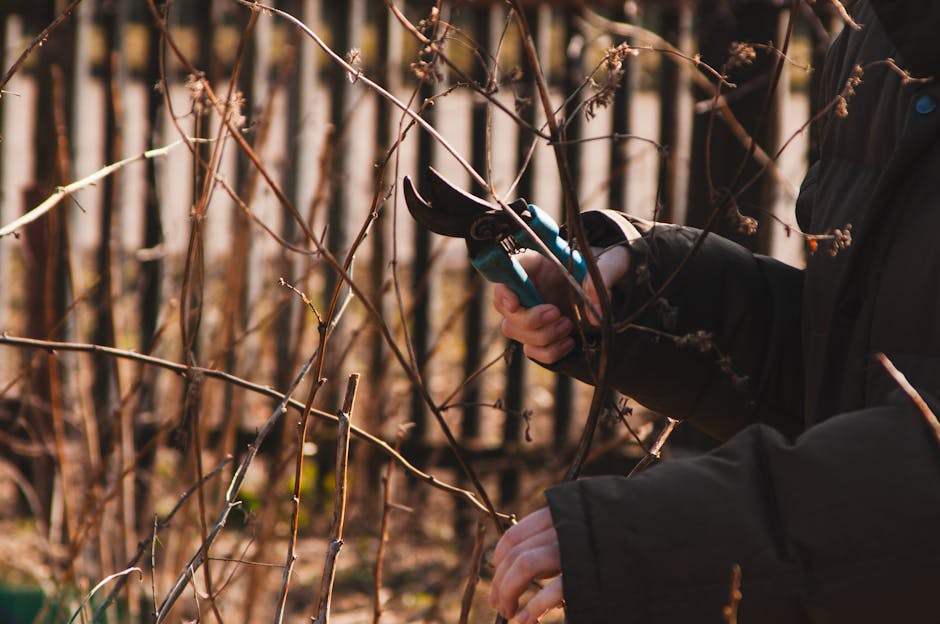
Do not cut simply because something looks untidy. Ask why you are pruning. Is the plant dead, too dense, blocking a path, or shaped badly? Make clean cuts, remove damaged growth, and avoid heavy pruning at the wrong time of year unless the plant type clearly tolerates it. Some shrubs forgive almost anything. Others, not so much.
5. Tidy edges and borders
Edging gives a garden its shape. Even a small border looks sharper when the line between lawn, path, and bed is neat. In compact London gardens, that visual clarity can make the entire space feel more intentional.
6. Feed, mulch, and water sensibly
Feeding is not about throwing product at every plant. Use compost or appropriate fertiliser based on plant type and season. Mulch helps retain moisture and suppress weeds, while watering should be deep enough to reach roots rather than just dampen the surface. Early morning is usually the least wasteful time in warmer periods.
7. Check for pests, disease, and stress
Look for discoloured leaves, holes, sticky residue, mildew, or unusual dieback. Catching problems early is key. A bit of leaf spotting may not be urgent, but if you see patterns repeating across multiple plants, that is a sign to act. Sometimes the issue is as simple as poor airflow. Sometimes it is something else. Gardening keeps you humble like that.
8. Finish with a tidy reset
Rake, sweep, stack tools, and remove waste properly. A finished garden should feel calm, not half-in-progress. That last pass matters more than people think. It is what turns maintenance into a visible result.
Expert Tips for Better Results
A good maintenance routine is practical. A great one is slightly observant. You start noticing patterns: which side of the garden dries first, which hedge gets wind damage, which corner always collects leaves. That is where the real improvement happens.
- Mulch after weeding, not before. Otherwise you can trap weeds underneath and miss them.
- Cut little and often. It is kinder to plants and keeps the work lighter.
- Use the right tool for the job. A blunt hedge trimmer or a dodgy pair of secateurs can cause ragged cuts that take longer to heal.
- Plan for London weather swings. A dry week followed by rain can mean sudden growth and fungal pressure in the same month.
- Keep an eye on soil compaction. Foot traffic and repeated work in the same spot can make the ground tired.
- Rotate your attention. Don't obsess over one perfect border while the rest of the garden quietly goes wild.
One small local reality: many Shepherds Bush gardens sit in a mix of shade and reflected light from walls, brickwork, and nearby buildings. That can change moisture patterns in a way that surprises people. A bed that looks dry at noon might still hold dampness near the base by evening. You learn to feel for it rather than assume.
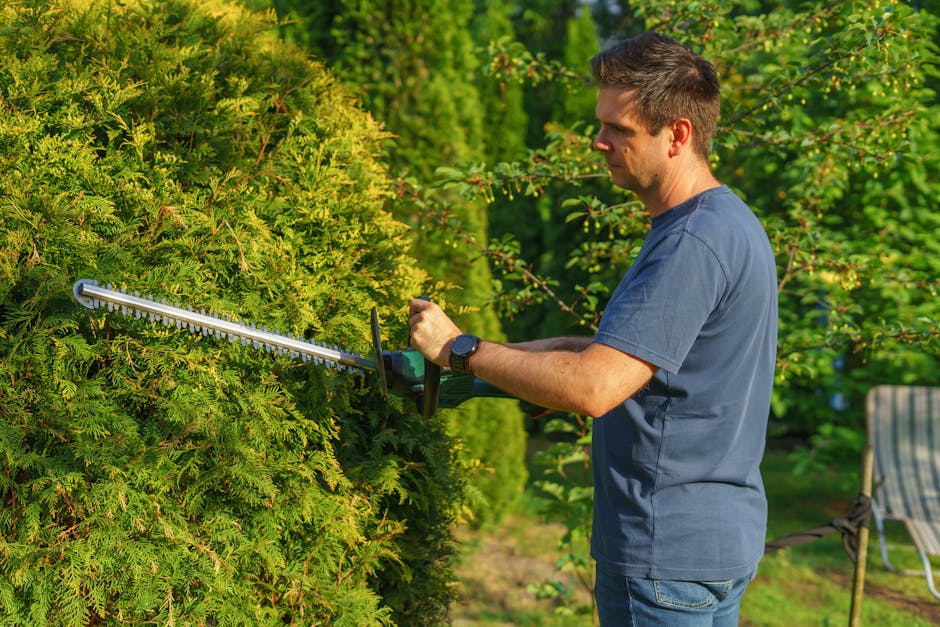
If your garden is part of a broader home update, services such as lawn care or hedge trimming may sit neatly alongside regular maintenance and keep the overall job from becoming piecemeal.
Common Mistakes to Avoid
Most garden problems do not come from one huge error. They come from small habits repeated over time. Here are the ones I see most often.
- Waiting too long between visits: The garden does not stay neutral. It moves on without you.
- Overwatering: Wet soil is not always healthy soil. Roots need air as well as moisture.
- Pruning at the wrong time: Some plants flower on old wood, so cutting them back too hard can remove next season's display.
- Ignoring drainage issues: If water sits after rain, you need to understand why, not just hope it evaporates.
- Using one approach for every plant: A rose, a hydrangea, and a lavender bed do not want the same treatment. Not even close.
- Leaving waste in piles: Damp clippings can become messy, smelly, and a haven for pests.
Here is the slightly awkward truth: a garden can look "fine" for a while while slowly heading in the wrong direction. Then one wet week later, everything seems to appear at once. That is why routine matters more than bursts of effort.
Tools, Resources and Recommendations
You do not need a shed full of gear to maintain a garden well. You do need a few reliable basics and a sensible way to store them. A tangled pile of half-rusted tools in the corner is rarely a good omen, if we're honest.
Useful tools for routine care
- Secateurs for small stems and deadheading
- Hand fork and trowel for border work and weeding
- Rake for leaves and debris
- Garden shears for shaping and light trimming
- Spade or border fork for soil improvement
- Wheelbarrow or trug for moving waste and mulch
- Watering can or hose with a proper nozzle
- Gloves and eye protection for thorny or dusty work
Helpful resources and planning aids
For ongoing care, it helps to keep a simple calendar or notes app with reminders for mowing, feeding, hedge work, and seasonal tasks. A photo record is useful too. Take a quick picture of the garden after a tidy-up, then compare it a few weeks later. The difference tells you whether your routine is working.
If your outdoor space needs a broader refresh before routine care can really stick, patio cleaning and fencing services can help restore the hardscape around the planting. The best gardens usually work because the whole space is looked after, not just the green bits.
Law, Compliance, Standards, or Best Practice
Garden maintenance is not usually a heavily regulated activity for domestic properties, but there are still sensible standards and legal considerations to keep in mind. In London, the practical expectation is simple: do not create hazards, nuisance, or avoidable damage.
That means staying mindful of a few things:
- Boundary awareness: Be careful when pruning near fences, walls, and neighbouring plots. Overhanging growth and root spread can cause disputes if handled carelessly.
- Waste handling: Green waste should be disposed of responsibly through local collection, composting, or a legitimate waste service. Do not assume all garden waste can simply be dumped somewhere convenient.
- Noise and timing: Power tools are part of modern maintenance, but it is courteous to use them at sensible times, especially in denser residential streets.
- Plant safety: Some plants can irritate skin or be toxic if handled badly. Gloves are not overkill.
- Tree work: If a tree is large, protected, or close to boundaries, specialist advice may be sensible before major pruning or removal.
Best practice in domestic garden care usually means working conservatively, respecting neighbouring property, and knowing when a task needs more than DIY enthusiasm. That may sound obvious, but it saves a lot of headaches.
Options, Methods, or Comparison Table
Different gardens need different levels of care. Some people want a monthly tidy-up. Others need a weekly service because the growth rate or property use demands it. Here is a simple comparison to help you think it through.
| Approach | Best for | Typical benefits | Potential drawback |
|---|---|---|---|
| DIY maintenance | Small gardens and confident homeowners | Low direct cost, flexible timing, hands-on control | Easy to fall behind, equipment and time still needed |
| Occasional professional visits | Gardens that need periodic reset and shaping | Good for seasonal jobs and problem areas | Less continuity if visits are too far apart |
| Regular maintenance plan | Busy households, landlords, shared gardens | Consistent appearance, fewer issues building up | Requires an ongoing budget and schedule |
| One-off clearance first, then upkeep | Overgrown or neglected gardens | Fast reset before normal care begins | Can be more intensive at the start |
For many Goldhawk Road properties, the mixed approach works best: a solid clearance or restoration first, followed by lighter, regular maintenance. It is often the most realistic way to get from "a bit much" to "easy to live with."
Case Study or Real-World Example
Picture a small rear garden just off Goldhawk Road. It has a narrow strip of lawn, two raised beds, a fence line with climbers, and a patio that tends to collect leaves. Nothing dramatic. But after a few months of busy schedules and a couple of wet weeks, the weeds have started moving through the borders, the climbers are crowding the fence, and the lawn has gone patchy at the edges.
The sensible approach is not to attack everything in one go. First comes a clear-up: leaves, debris, and dead growth removed. Next, the beds are weeded and mulched. Then the hedge line is trimmed back just enough to restore shape and light. The lawn edges are cut cleanly, and the patio is swept down so you can actually see the surface again. After that, a simple monthly routine keeps the space under control. Small jobs, spaced out. Nothing heroic.
What changes most is not only appearance. The garden starts feeling usable again. A chair can come out. A child can run across the lawn without tripping over random sprawl. The smell of damp soil after watering is pleasant instead of a hint that something has been neglected. That is the real win.
Practical Checklist
Use this checklist as a quick working guide before or after each maintenance session:
- Remove loose debris, leaves, and litter
- Inspect borders, pots, paths, and fence lines
- Pull or cut back visible weeds
- Deadhead spent flowers where appropriate
- Trim overgrowth blocking paths or light
- Check for pests, disease, or dieback
- Water deeply if conditions are dry
- Feed plants only if the season and plant type justify it
- Edge lawns or beds for a neat finish
- Clear and dispose of green waste properly
- Note any bigger issues for next time
Quick tip: If you only have twenty minutes, do the surface clear, weed the obvious patches, and water what looks stressed. It is not everything, but it keeps the garden moving in the right direction.
Conclusion
A good Garden maintenance guide Goldhawk Road Shepherds Bush is really about consistency, observation, and choosing sensible routines that suit a London garden rather than fighting it. The goal is not to create a perfect magazine lawn. It is to keep the space healthy, manageable, and pleasant to spend time in through the changing seasons. Once you understand the rhythm, it gets easier. Much easier.
Whether you're dealing with a compact courtyard, a modest family garden, or a shared outdoor area that needs regular attention, the same principles apply: tidy early, prune carefully, water with purpose, and keep on top of the little things before they turn into bigger ones. A garden looks after you back, in its own quiet way, when you look after it properly. That never gets old.
Get a free quote today and see how much you can save.
Frequently Asked Questions
What does garden maintenance usually include in Shepherds Bush?
It usually includes mowing, weeding, pruning, hedge trimming, deadheading, leaf clearance, watering, feeding, edging, and general tidying. Depending on the garden, it may also involve soil care, patio sweeping, and seasonal planting.
How often should a garden near Goldhawk Road be maintained?
That depends on the size of the garden, the planting, and how fast things grow. Many homes benefit from light upkeep every one to two weeks during the growing season, with seasonal tasks layered in as needed.
Is regular maintenance better than one-off garden clearance?
Usually yes, if you want the garden to stay manageable. One-off clearance is useful for a reset, but regular maintenance prevents the same problems from coming back so quickly.
Can I maintain a small London garden myself?
Absolutely. Small gardens are often very manageable with a few good tools and a simple routine. The main challenge is staying consistent, especially when work and weather get in the way.
What is the biggest mistake people make with garden upkeep?
Leaving things too long. A few weeds, a bit of pruning, a patch of moss - they don't look dramatic at first. Then suddenly the garden feels like a bigger job than it really should be.
Do I need different maintenance in spring and autumn?
Yes. Spring is usually about growth, shaping, feeding, and preparation. Autumn is more about clearing leaves, cutting back dead growth, and protecting the garden from damp and decay.
What should I do if the garden has become overgrown?
Start with a clearance or reset. Remove debris, identify the main problem areas, and work in stages. If the job feels too large, it is often better to restore the garden first and then move into a routine schedule.
Are there any local issues specific to Shepherds Bush gardens?
Many gardens here deal with mixed shade, limited space, boundary pressure, and the effects of urban weather patterns. That means drainage, pruning timing, and plant choice matter more than people sometimes expect.
What tools do I really need for basic maintenance?
Secateurs, gloves, a rake, a trowel, a hand fork, shears, and something for collecting waste will cover a lot of ground. You can do quite a lot with a small set of well-kept tools.
Is it worth hiring help for routine garden maintenance?
If you are short on time, have a larger garden, or want consistent results, yes. It can save effort and stop small issues from becoming bigger, messier jobs later on.
Can garden maintenance improve property value or rental appeal?
It can improve appearance, usability, and first impressions, which are all important when people view a property. It is not a guarantee of value on its own, but a cared-for garden does make a noticeable difference.
What if my garden has a mix of lawn, borders, and paving?
That is very common, especially in London. The best approach is to maintain each surface separately: lawn care for grass, border care for planting, and regular cleaning for paving and patios. A mixed garden just needs a slightly more organised routine.