Bramley Road raised bed ideas for terraced homes by local gardeners
If you live on Bramley Road or nearby and you are trying to make a small terraced garden feel calmer, greener, and easier to manage, raised beds are often the smartest place to start. They give you structure without swallowing the whole space, and they can turn a narrow back yard, a split-level patch, or a paved sitting area into something genuinely useful. Bramley Road raised bed ideas for terraced homes by local gardeners are not just about looking tidy. They are about making awkward outdoor space work harder, season after season.
That matters more than people think. Terraced gardens are usually short on width, shaded for part of the day, and a bit fiddly to access. You want planting that works with the space, not against it. In this guide, we will look at practical designs, materials, planting choices, costs in principle, common mistakes, and the small details local gardeners tend to get right the second time round. You will also find a clear checklist, a comparison table, and a few realistic examples from everyday garden use. Nothing flashy. Just the stuff that actually helps.
Table of Contents
- Why Bramley Road raised bed ideas for terraced homes by local gardeners Matters
- How Bramley Road raised bed ideas for terraced homes by local gardeners Works
- Key Benefits and Practical Advantages
- Who This Is For and When It Makes Sense
- Step-by-Step Guidance
- Expert Tips for Better Results
- Common Mistakes to Avoid
- Tools, Resources and Recommendations
- Law, Compliance, Standards, or Best Practice
- Options, Methods, or Comparison Table
- Case Study or Real-World Example
- Practical Checklist
- Conclusion
- Frequently Asked Questions
Why Bramley Road raised bed ideas for terraced homes by local gardeners Matters
Terraced homes usually come with a simple truth: the garden is precious, but it is not big. That means every decision has a bigger effect. A badly placed planter can make a path feel cramped. A bed that is too low can disappear into the paving. A deep bed in the wrong spot can block light and make the garden feel boxed in. On a road like Bramley Road, where homes may share similar footprints and boundary shapes, getting the layout right is a real advantage.
Raised beds solve several problems at once. They create soil depth where the ground may be poor or compacted. They define seating and planting zones. They make maintenance easier, especially if bending down is uncomfortable or if the garden is accessed through a narrow doorway. And to be fair, they simply look more intentional than a collection of random pots. A single well-built bed can make a terrace garden feel cared for, even before the plants fill out.
Local gardeners also tend to understand the little site quirks that matter. One end of the garden may bake in afternoon sun while the back wall stays damp. A side return may catch wind. A neighbour's fence may cast shade most of the day. These details decide whether a raised bed thrives or struggles. That is why the best Bramley Road raised bed ideas are rarely copy-paste designs. They are fitted to the site, the light, and the way the household actually uses the garden.
There is also a subtle social value here. In dense residential streets, a neat and productive garden often makes outdoor living feel more private and more relaxed. A raised bed of herbs near the kitchen door, for example, can turn a quick trip outside into a small routine you look forward to. A bit of rosemary in the rain. Mint after watering. It sounds minor, but these are the things that make a garden feel lived in.
How Bramley Road raised bed ideas for terraced homes by local gardeners Works
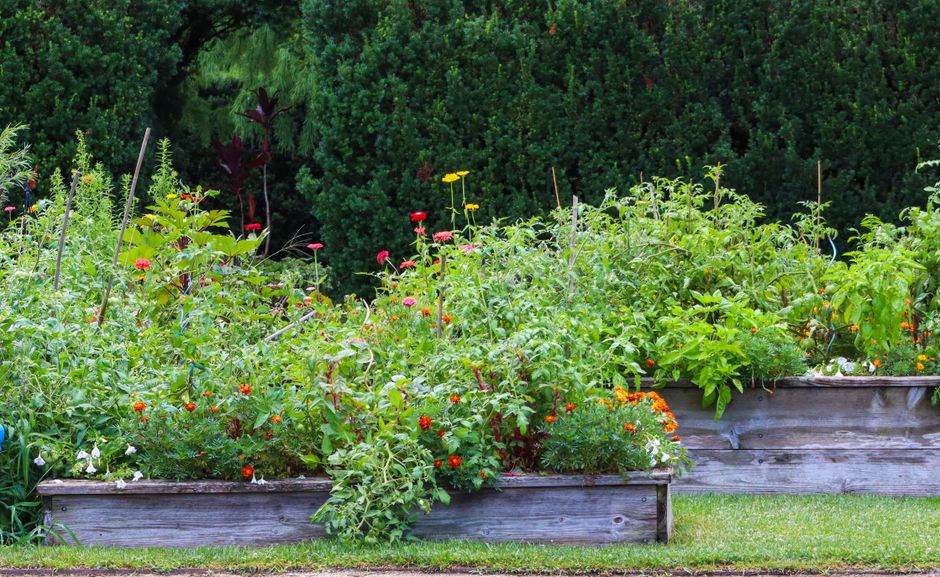
At its simplest, a raised bed is a contained planting area built above ground level. That container can be timber, brick, stone, sleeper-style edging, or another suitable material. The bed is then filled with a growing medium that suits the plants and the drainage conditions. In terraced gardens, the raised bed usually does one or more of four jobs: it improves soil, shapes the layout, helps with drainage, or creates a feature.
What makes the system work is balance. A raised bed that is too tall can dominate a small terrace. One that is too shallow may not give enough root room. One that lacks drainage can become waterlogged after a wet spell, which nobody wants, especially when the garden is already a bit enclosed. You are aiming for something that looks neat, performs well, and does not become a maintenance headache by month three. That last bit matters more than people expect.
Local gardeners usually start by looking at how people move through the space. Can you still open the back door fully? Will the bed leave room for a chair, a washing line, or a wheelbarrow? Does it make sense to run beds along the edges and keep the centre clear? In many terraced gardens, the best answer is a long narrow bed rather than a square one. It keeps circulation easy and lets the planting guide the eye toward the back of the garden instead of cutting the space in half.
In practice, a good raised bed system also considers planting layers. Taller shrubs or small climbers may sit at the back, herbs and perennial flowers in the middle, and trailing plants at the front edge. If the garden is shady, the structure can still work with shade-tolerant planting. If it is sunny, the bed can support edible crops, pollinator plants, or Mediterranean-style herbs. There is no single formula, which is exactly why thoughtful planning pays off.
Key Benefits and Practical Advantages
Raised beds do more than tidy up a terrace garden. They offer several practical advantages that become more obvious as the seasons pass.
- Better soil control: You choose the soil mix, compost blend, and drainage approach instead of relying on whatever lies beneath the patio or old lawn.
- Improved accessibility: Slightly higher beds can reduce bending and make planting, weeding, and watering much easier.
- Clear garden zoning: Beds help separate paths, seating areas, and planting zones so the garden feels organised rather than crowded.
- More planting depth: Useful for vegetables, shrubs, and deeper-rooted ornamentals in compact gardens.
- Better-looking boundaries: A raised edge can hide awkward changes in level or make a tired hardscape look deliberate.
- Seasonal flexibility: You can replant, refresh the top layer, or adjust the design without ripping up the whole garden.
There is also the quiet benefit of momentum. Once one good bed goes in, the rest of the garden tends to follow. Suddenly the patio needs fewer random pots, the compost corner makes sense, and the planting begins to look cohesive. It is a bit like putting one strong piece of furniture in a room - the whole space behaves differently.
If you are considering a broader refresh alongside the beds, a wider plan from landscape gardening can help tie the layout together. And if the garden needs a proper reset first, many homeowners begin with garden clearance so the build starts from a clean, workable base.
Who This Is For and When It Makes Sense
Raised beds are a good fit for a lot of terraced homeowners, but they are especially useful if your garden has one or more of the following issues:
- the soil is thin, poor, or full of rubble
- the plot is narrow and needs clear structure
- you want vegetables or herbs but do not have productive ground
- the garden feels messy because pots are scattered everywhere
- you need easier access for planting and maintenance
- there is a slope or level change that needs tidying
- you want a neater look from the house and from the back windows
They make sense for first-time gardeners too. In fact, a raised bed can be a gentler starting point than trying to improve an entire backyard in one go. You get one defined area to manage, learn from, and improve. If you are the sort of person who likes to see a clear result quickly, this is a satisfying project. Not everything in gardening gives you that. Some things just test your patience for months.
Raised beds are also useful if several people share the garden. Families often find they can separate a play area from a planting area much more easily with a bed border. A couple might use the bed edge for a slim bench, a cup of tea, and a couple of pots of mint or chives. Small space, yes. But not small potential.
Step-by-Step Guidance
Here is a straightforward way to plan raised beds for a terraced garden without overcomplicating it.
1. Measure the usable space properly
Start with the actual space you can work with, not the rough estimate in your head. Measure the full length and width, note doors, drains, manholes, utility covers, and any awkward projections. If there is a narrow passage or side return, include that too. A tape measure and a sketch are enough at the start, though a more detailed site plan helps if the design is likely to grow beyond one bed.
2. Decide what the bed needs to do
Is it for flowers, veg, privacy, structure, or all of the above? A herb bed near the kitchen door needs different planting from a deep ornamental bed at the back. Do not design by habit. Design by use. That sounds obvious, but honestly, many gardens are filled with beds that look nice in theory and then frustrate the people living with them.
3. Choose the bed shape
In terraced gardens, long rectangles often work best. They sit against boundary lines, preserve movement, and visually lengthen the space. L-shaped beds can work too, especially if you want to soften a corner or wrap around a seating area. Curves can be lovely, but they are not always the friendliest choice where every centimetre counts.
4. Select materials that suit the setting
Timber, brick, and stone all have their place. Timber can feel softer and more flexible. Brick suits period homes and can look especially tidy on a terraced street. Stone feels substantial but may cost more and take more time to install. Whichever material you choose, make sure it suits the style of the house and the maintenance level you are willing to keep up.
5. Plan depth and drainage
Shallow beds can work for herbs and some flowers. Deeper beds are better for shrubs, small fruit, and most vegetables. Drainage is non-negotiable. In a compact garden, a raised bed that stays soggy can create more problems than it solves. A well-prepared base, suitable lining if needed, and free-draining growing medium make a huge difference.
6. Fill with the right growing mix
The fill should suit the plants, not just take up space. For many garden beds, a loam-based mix with compost works well. For vegetables, fertility and drainage matter a lot. For ornamental schemes, structure and moisture balance are important. If you are unsure, ask for advice before buying bags in bulk. It is easier to choose well now than to fix a poor fill later. And yes, later usually arrives fast.
7. Plant in layers
Use the back of the bed for taller plants, the middle for mid-height structure, and the front for edging plants, herbs, or spillers. This creates depth even in a small garden. If the bed is viewed mainly from one side, arrange the planting accordingly rather than treating it like a display on all sides.
8. Add finishing details
Mulch the surface, water thoroughly, and leave room for access. A slim edge or a small strip of gravel can make maintenance much easier. If lighting or seating is part of the plan, check how the bed affects movement in the evening. A good bed is not just planted - it is usable.
Expert Tips for Better Results
Local gardeners who work on terraced plots tend to learn a few things the hard way. These are the bits worth keeping in mind.
Keep the line simple. Straight, confident bed edges usually age better in small gardens than highly decorative shapes. If the structure is clean, the planting can do the talking.
Think about view lines. What do you see from the kitchen window, the back door, and the seating area? In a terraced home, those everyday sightlines matter a lot. A narrow bed filled with fragrant plants near the house can lift the whole space every time you step out.
Use one hero plant or feature. Do not try to make every inch shout for attention. One small olive-shaped evergreen, a clipped box substitute, or a good climbing structure can anchor the design and stop the bed feeling busy.
Watch the shade through the day. A bed that gets sun in the morning may be cool and shaded by late afternoon. That is useful information. It can decide whether you grow salad leaves, geraniums, ferns, or something more drought-tolerant.
Leave maintenance access. You need space to weed, water, and cut back growth without standing on the bed itself. This is one of those tiny things that becomes obvious only after the first season. Funny how that works.
Match the bed height to the user. If the main gardener prefers less bending, a slightly taller bed may be worth the extra build cost. If children are involved, a lower edge may be safer and more flexible.
If you are also thinking about broader ongoing care, pairing the new beds with garden maintenance can stop the whole space slipping back into chaos after the first rush of enthusiasm. That bit is easy to overlook, but regular care keeps the structure looking intentional.
Common Mistakes to Avoid
Raised beds are forgiving, but they are not magic. A few mistakes come up again and again in terraced gardens.
- Building too wide: If you cannot reach the centre comfortably, the bed becomes awkward to plant and weed.
- Ignoring drainage: Standing water will punish poor preparation every single time.
- Choosing the wrong materials for the site: Cheap timber in a wet, shaded garden may not last as well as expected.
- Blocking natural movement: Beds should guide traffic, not make the garden feel like a maze.
- Overplanting at the start: A full-looking bed can quickly become crowded if mature size is not considered.
- Forgetting the sun path: A lovely plant in the wrong light is just a disappointed plant.
- Neglecting the finish: Untidy edges and exposed liner material can make even a well-built bed feel half-done.
One of the less obvious mistakes is trying to solve everything at once. It is tempting to turn a terrace garden into a full makeover project. But often the best result comes from one or two strong raised beds, installed properly, then followed by thoughtful planting. Simple first. Fancy later, if needed.
Tools, Resources and Recommendations
You do not need a huge toolkit, but the right basics make the job smoother and safer.
- Measuring tape and string line: Useful for marking out neat edges and checking clearance.
- Spade and hand trowel: For digging, shaping, and planting.
- Spirit level: Helps keep tops and edges level, which matters more than people think in small spaces.
- Wheelbarrow or buckets: Handy for moving soil, compost, rubble, or mulch.
- Protective gloves: A small thing, but worth having from the start.
- Watering can or hose with controlled flow: Raised beds can dry out faster than ground-level planting.
- Quality compost and soil mix: This often makes a bigger difference than buying the fanciest edging material.
If you are unsure about the wider garden layout, it can help to look at service pages that explain how different outdoor work fits together. For example, landscaping is often the umbrella under which bed design, paths, and practical access are planned. If the whole space needs a better flow, that wider view is worth taking.
For a garden with a lot of overgrowth or poor access, the bed project may go more smoothly after some upfront pruning and tidying. In that case, hedge trimming can improve light and make it easier to understand what the space is really doing.
Law, Compliance, Standards, or Best Practice
For most small domestic raised bed projects, the main concerns are practical best practice rather than complex regulation. That said, there are sensible checks to make before you build.
First, think about boundary lines, shared access, and drainage. In terraced homes, the garden may back onto another property closely, so it is wise to keep the structure within your own boundary and avoid directing water where it should not go. If the bed is near a wall, fence, or shared boundary, make sure the build does not create pressure, damp issues, or access problems.
Second, if the project involves significant excavation, heavy retaining structures, or changes near utility points, it is worth being careful and seeking appropriate advice. That is not overkill; it is common sense. Many small beds are straightforward, but once heights increase or ground levels shift, the details matter.
Third, choose materials and working methods that support safe installation and long-term use. Good lifting practice, stable edging, and sensible drainage are all part of a sound build. If you are having the work carried out professionally, it is reasonable to ask how the team handles site safety, material handling, waste removal, and insurance. A properly run project should answer those questions without fuss.
You can also look at a company's general policies if you want reassurance about standards, for example its insurance and safety approach or health and safety policy. Those pages do not build the bed for you, of course, but they do tell you how seriously a business treats the work.
Best practice is fairly simple: build for drainage, keep access sensible, avoid overcomplicating the shape, and make sure the final structure suits the home rather than fighting it. That is the quiet standard worth aiming for.
Options, Methods, or Comparison Table
Not every raised bed needs the same approach. The right method depends on your garden, budget, and how hands-on you want to be.
| Option | Best for | Strengths | Trade-offs |
|---|---|---|---|
| Timber raised beds | Flexible, softer-looking terrace gardens | Usually easier to shape, can suit small budgets, blends well with planting | May need more maintenance over time, especially in damp spots |
| Brick or masonry beds | Permanent, traditional terraced homes | Durable, neat, strong visual structure | More labour and often a higher upfront effort |
| Sleepers or chunky edging | Modern mixed-use gardens | Strong lines, fast visual impact, works well for defined zones | Can feel heavy if the space is already very compact |
| Low border beds | Front-of-bed structure, edging, light planting | Easy access, less dominant, good for narrow paths | Limited root depth for some plants |
| High-access beds | Gardening with reduced bending | Very practical, comfortable to use | Needs more material and careful proportioning |
The best option is not always the most expensive one. A smart low timber bed in the right place can outperform a grand stone structure that overwhelms the plot. In a terraced garden, proportion is everything.
If you are weighing up whether to combine beds with other changes, the broader service mix can help. decking services may be relevant if you want a raised seating area or a transition from hard landscaping into planting. Sometimes the cleanest solution is a simple deck edge with a bed beside it. It depends on the garden, not a formula.
Case Study or Real-World Example
Here is a realistic example based on the sort of garden many local gardeners deal with, without dressing it up too much.
A small terraced home had a long, narrow rear garden with old paving near the house and patchy soil at the back. The owners wanted somewhere for herbs, a few flowers, and a small area to sit with a coffee on a mild morning. The garden felt gloomy and a little disjointed. Not a disaster, just tired.
The layout that worked best used two slim raised beds along one boundary, leaving a clear central path and a modest seating area opposite. The first bed held rosemary, thyme, lavender, and a compact evergreen for structure. The second bed mixed pollinator-friendly perennials with a few seasonal plants so the garden would not look flat in winter. The bed edges were kept neat and low enough to avoid making the path feel tunnel-like.
What changed most was not just the planting. It was the sense of order. The back door opened onto a deliberate garden, not a collection of random corners. Morning light hit the herbs. The soil warmed quickly after rain. Watering became quicker. And the owners, truth be told, started using the garden more because it felt easier to step into it.
That is usually the real win with raised beds in terraced homes. They make the outdoor space simpler to use. Once that happens, the garden starts to earn its keep.
Practical Checklist
Use this checklist before you build or commission a raised bed project.
- Measure the garden carefully, including access points and any fixed features.
- Check where the sun falls during the day.
- Decide whether the bed is for ornament, herbs, vegetables, privacy, or structure.
- Choose a shape that keeps the garden easy to move through.
- Pick materials that suit the house and the maintenance you are willing to do.
- Make sure drainage is planned from the start.
- Choose the right growing medium for the intended plants.
- Leave enough space to weed and water comfortably.
- Think about view lines from the house and seating areas.
- Allow for seasonal care, not just the initial build.
- Keep boundary, access, and safety considerations in mind.
- Plan for mulch or surface finish to keep the bed neat.
A good check like this saves a lot of unnecessary backtracking. It is not glamorous, but it works.
Conclusion
Bramley Road raised bed ideas for terraced homes by local gardeners work best when they are practical first and decorative second. That may sound plain, but it is actually what creates the nicest gardens. A well-proportioned bed, built with the right materials and planted for the site, can change how a whole terrace home feels. Better flow. Better planting. Less clutter. More use.
If you take one thing from this guide, let it be this: small gardens reward careful decisions. Measure properly, keep the shape simple, and choose plants that suit the light and the soil you have, not the ones you wish you had. That mindset usually leads to better results and fewer regrets. And honestly, fewer regrets is a pretty good outcome for any garden project.
Get a free quote today and see how much you can save.
There is something quietly satisfying about stepping into a tidy terraced garden at the end of the day and seeing one well-made bed holding the whole scene together. It feels calm. It feels sorted. That is usually enough.
Frequently Asked Questions
What is the best raised bed shape for a terraced garden?
Long, narrow rectangular beds are usually the easiest to live with in a terraced garden. They preserve walking space, suit boundary lines, and help a small plot feel longer rather than chopped up.
How deep should a raised bed be for herbs or vegetables?
Shallow beds can work for herbs, but vegetables and deeper-rooted plants generally do better with more depth. The exact depth depends on the crop, the soil mix, and drainage, so there is no single perfect number. More depth usually gives you more flexibility.
Are raised beds expensive to build?
Costs vary a lot depending on size, materials, access, and whether the work is DIY or professionally installed. Timber is often less expensive than brick or stone, but the cheapest option is not always the best value if it needs early replacement.
Do raised beds help with poor soil?
Yes, that is one of their biggest advantages. They let you control the growing medium instead of relying on compacted, stony, or low-fertility ground. For many terraced gardens, that alone makes them worthwhile.
Can I use raised beds in a shady terraced garden?
Absolutely. You just need to choose plants that suit shade or part shade. Ferns, some evergreen structure plants, and certain leafy crops can work well where sun is limited.
What materials last longest for raised beds?
Brick and stone usually last well if properly installed. Good-quality timber can also last a long time, especially if it is suitable for outdoor use and protected from constant damp where possible.
How do I stop a raised bed from getting waterlogged?
Plan drainage from the start. Use a free-draining soil mix, avoid blocking natural water movement, and make sure the bed base is built appropriately for the site. A wet bed is a common problem in enclosed gardens, so it deserves proper attention.
Can raised beds improve the look of a small patio or yard?
Yes, very much so. Raised beds add structure, soften hard surfaces, and make a compact space feel more deliberate. Even one well-placed bed can improve the whole garden visually.
Should I choose flowers, vegetables, or mixed planting?
Mixed planting is often the most practical choice for terraced homes. It gives you seasonal interest, useful herbs, and enough visual variety to keep the bed from looking flat when one planting group finishes.
Do raised beds need much maintenance?
They need regular but manageable care: watering, weeding, topping up mulch, and occasional replanting. The maintenance load is usually reasonable if the bed was designed sensibly in the first place. That part really matters.
Is it worth getting professional help for a raised bed project?
If the garden is awkward, the access is tight, or you want the beds to form part of a larger landscaping plan, professional help can save time and reduce mistakes. It is especially useful when the build needs to work neatly with existing paths, steps, or structures.
How soon will a new raised bed start looking good?
Quite quickly, if the structure is neat and the planting is chosen well. Some beds look finished straight away; others improve over a season as plants settle in. Either way, a well-made bed should start earning its place early on.